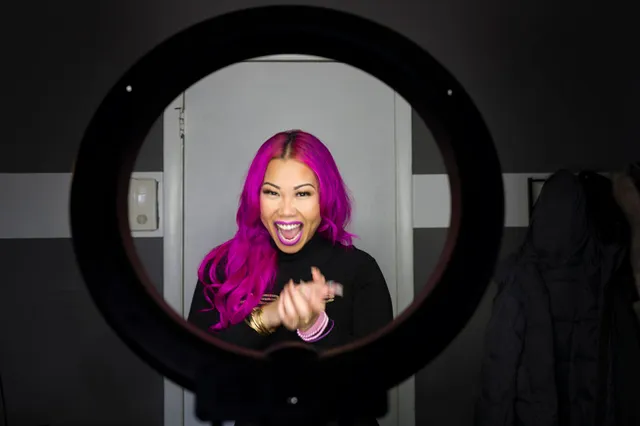
Ever stood in front of your closet, staring blankly, and thought, “I have nothing to wear”? You’re not alone. But here’s the thing—that feeling isn’t just about fabric. It’s about who you want to be that day. Fashion psychology, the study of how clothes affect our thoughts, emotions, and behaviors, is a real field. And honestly? It’s fascinating.
Let’s get into it. How does that blazer make you feel powerful? Why does a soft sweater feel like a hug? And—maybe more importantly—how can you use this knowledge to your advantage?
The Science Behind “Enclothed Cognition”
You’ve probably heard the term “dress for success.” But it’s not just a catchy phrase. There’s actual science behind it. Researchers call it enclothed cognition—the idea that the clothes we wear influence our psychological processes. A 2012 study by Adam and Galinsky found that participants who wore a lab coat (described as a doctor’s coat) performed better on attention-related tasks than those who didn’t. The coat itself carried symbolic meaning, and that meaning changed their behavior.
Think about it: when you put on a crisp white shirt for a job interview, you’re not just covering your body. You’re stepping into a role. The fabric, the fit, the color—they all send signals to your brain. And your brain, in turn, adjusts your posture, your confidence, even your cognitive performance.
How Colors Mess with Your Mood (In a Good Way)
Color psychology is a whole rabbit hole, but let’s keep it simple. Different hues trigger different emotional responses—both in you and in the people around you. Here’s a quick breakdown:
- Red: Associated with energy, passion, and power. Wearing red can make you feel more assertive—and studies show it can even make you appear more attractive to others. But careful: too much red can come off as aggressive.
- Blue: Calm, trustworthy, and stable. It’s no wonder many corporate logos use blue. Wearing blue to a meeting? You’re signaling reliability.
- Yellow: Optimism and creativity. It’s a mood booster, but in large doses, it can feel overwhelming.
- Black: Sophistication, authority, and a little bit of mystery. Black is a classic for a reason—it’s slimming and serious. But it can also feel heavy if you’re already down.
- Green: Balance and growth. Nature vibes. Green is calming and can reduce anxiety.
Pro tip: if you’re feeling low-energy, try a pop of yellow or orange. If you need to focus, go for blue or green. It’s not magic, but it’s close.
Confidence: The “Power Dressing” Effect
We’ve all had those days where we feel invisible. You throw on an old hoodie, some sweatpants, and suddenly you’re slouching. Your voice gets quieter. You avoid eye contact. That’s not a coincidence.
Confidence is partly a physical experience. When you dress in clothes that fit well, feel good, and align with your intentions, your body language shifts. Your shoulders go back. Your chin lifts. You take up space. This is often called power dressing, but it’s not about wearing a suit every day. It’s about wearing what makes you feel like the best version of yourself.
Here’s a real-world example: a friend of mine—let’s call her Sarah—used to wear baggy clothes to hide her body. She felt anxious in social settings. One day, she bought a tailored blazer. Nothing fancy. Just something that fit. She told me, “I felt like I could walk into any room and own it.” That’s the power of enclothed cognition in action. The blazer didn’t change her skills. It changed her self-perception.
What About “Dopamine Dressing”?
You’ve probably seen this trend on TikTok or Instagram. Dopamine dressing is the practice of wearing clothes that spark joy—bright colors, bold patterns, textures you love. The idea is simple: if your outfit makes you happy, your brain releases dopamine, the “feel-good” neurotransmitter. And that can improve your mood, productivity, and even your interactions with others.
Sure, it sounds a little woo-woo. But think about it: when you wear a piece of clothing that holds a positive memory—a scarf from a vacation, a dress you wore on a first date—you’re essentially wearing a mood booster. It’s like a wearable anchor for good vibes.
Perception: How Others See You (Before You Say a Word)
Here’s the deal: people judge you within seconds. It’s not fair, but it’s human nature. And a huge chunk of that judgment is based on what you’re wearing. Your clothes are a non-verbal communication tool. They tell stories about your status, your personality, your attention to detail.
For example, a study from Princeton found that people make snap judgments about competence and trustworthiness based on clothing alone—in less than 100 milliseconds. That’s faster than a blink. So if you’re going into a negotiation or a first date, your outfit is already doing half the talking.
The Halo Effect of Dressing Well
There’s this psychological bias called the halo effect: if someone looks good in one area (like their appearance), we assume they’re good in other areas (like intelligence or kindness). It’s not logical, but it’s real. Dressing well doesn’t just make you feel confident—it literally changes how others perceive your abilities.
That said, “dressing well” is subjective. It’s not about designer labels or trends. It’s about appropriateness and intention. A well-fitted pair of jeans and a clean shirt can be more powerful than an expensive suit that doesn’t fit. The key is congruence—your outfit should match the context and your authentic self.
Practical Tips: Use Fashion Psychology to Your Advantage
Alright, so how do you actually apply this stuff? Here are a few actionable strategies—no fluff.
- Dress for the mood you want, not the mood you have. Feeling sluggish? Wear something structured. Feeling anxious? Try a soft, comforting fabric like cashmere or cotton. Your clothes can nudge your brain in a different direction.
- Create a “power outfit” for tough days. Pick one outfit that makes you feel unstoppable. It could be a blazer, a favorite pair of boots, or a bold accessory. Save it for days when you need a boost—like a presentation or a difficult conversation.
- Use color intentionally. Before a meeting, ask yourself: what do I want to project? Authority? Red or black. Calm? Blue or green. Creativity? Yellow or purple. It’s a simple hack that works.
- Don’t underestimate fit. A $20 thrift store shirt that’s tailored looks more expensive than a $200 shirt that’s baggy. Fit is everything. Invest in a good tailor if you can.
- Consider the “first five minutes.” When you meet someone new, they’re forming impressions fast. Your outfit is part of that. So if you’re networking, avoid overly casual or sloppy pieces—even if you’re comfortable.
A Quick Table: Mood vs. Clothing Choices
Here’s a cheat sheet for when you’re stuck:
| Your Goal | Clothing Suggestions | Why It Works |
|---|---|---|
| Boost confidence | Tailored blazer, structured pants, statement shoes | Sharp lines and fit signal authority |
| Reduce anxiety | Soft knits, loose fits, neutral colors | Comfort reduces sensory overload |
| Increase creativity | Bold patterns, bright colors, unique accessories | Novelty stimulates divergent thinking |
| Appear trustworthy | Classic cuts, muted tones, minimal logos | Simplicity suggests reliability |
| Feel energized | Red, orange, or yellow pieces | Warm colors increase heart rate and alertness |
The Dark Side: When Fashion Psychology Backfires
It’s not all rainbows and dopamine hits, though. There’s a flip side. Sometimes, we use clothes as armor—hiding behind oversized hoodies or stiff suits. That can be a sign of discomfort or even social anxiety. And on the other end, chasing trends can lead to stress, overspending, and a fractured sense of self.
Fashion psychology works best when it’s intentional. If you’re dressing to please others or to fit an unrealistic ideal, you might end up feeling worse. The goal isn’t to manipulate—it’s to align your outer appearance with your inner state. Or, sometimes, to gently nudge that inner state in a new direction.
Also, let’s be real: clothes aren’t a cure-all. You can’t wear a red dress and suddenly fix a broken relationship. But you can use clothing as a tool—a small, accessible lever for change.
Final Thoughts: Wear Your Intentions
Fashion psychology isn’t about being shallow. It’s about understanding the subtle ways we communicate—with ourselves and with the world. Every morning, you have a choice. You can throw on whatever’s clean, or you can dress with intention. That doesn’t mean spending hours planning. It means asking one simple question: How do I want to feel today?
Your clothes are a canvas. Your mood is the paint. And the best part? You get to choose the colors.
So next time you’re staring at your closet, remember: it’s not just fabric. It’s a conversation. A tool. A little bit of magic… if you let it be.